
Regionalism: Designing with Harmony in Place

Introduction
Regionalism in architecture is more than a design style; it is an approach that deeply respects and responds to the unique environmental, cultural, and historical context of a location. In a world dominated by generic, globalized aesthetics, regionalist design seeks to root buildings in their surroundings, creating spaces that feel authentic, functional, and intrinsically connected to place.
At its core, regionalism emphasizes climate, materials, cultural traditions, and local ways of life. Buildings are not just structures; they are storytellers, reflecting the rhythms of daily life, the seasons, and the communities they serve. This philosophy is especially meaningful in Canada, a country with diverse climates, landscapes, and cultural narratives.
Responding to Climate and Seasonality
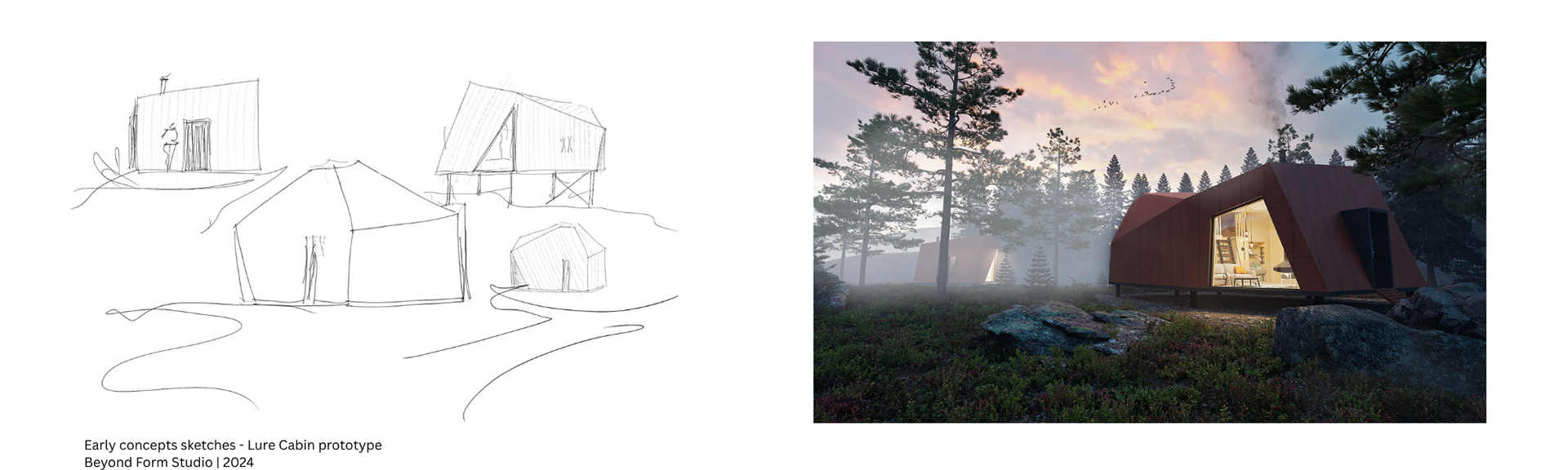
Canada’s long winters, short growing seasons, and variable climates have historically shaped the way communities live and build. A clear example is the traditional ice fishing hut, an iconic element of Canadian winter culture. These small, often portable structures are designed to withstand harsh cold, protect occupants from wind and snow, and provide a functional space for a centuries-old community ritual. Their design reflects an intimate understanding of seasonal conditions, with features like insulated walls, small footprint, and adaptable openings.
Beyond function, ice fishing huts carry cultural significance. They are gathering places for families and friends, embedded in local traditions and identity. In this sense, the design is not just about shelter; it is about experience, memory, and social connection. Regionalist design in modern architecture seeks to capture this same sensitivity: designing spaces that respond to environment while respecting the human rituals that inhabit them.
Rural Heritage and Vernacular Buildings
Moving beyond seasonal structures, regionalism is equally evident in rural Canadian architecture. Traditional outbuildings, barns, and farm structures across areas like western Ottawa, particularly in communities such as Almonte and the Lanark Highlands, offer enduring lessons in context-driven design. These buildings are often crafted from locally sourced timber or stone, sized to accommodate specific agricultural needs, and oriented to the landscape for optimal light, ventilation, and drainage.
Barns, for instance, are inherently pragmatic, yet their forms often exhibit a quiet elegance that reflects local materials and climate. Roof pitches are designed for snow shedding; timber framing expresses a local craft tradition; and the positioning on a property aligns with natural topography and sun patterns. Even today, these structures influence contemporary architects who aim to balance function, beauty, and cultural continuity.
Similarly, rural outbuildings, from root cellars to granaries, demonstrate a regionalist approach born of necessity: every element has purpose, and every material is chosen with care. Incorporating these principles into modern design allows architects to create homes and community buildings that feel intrinsically “of the place” rather than transplanted from elsewhere.
Why Regionalism Matters Today
In the 21st century, regionalism in architecture offers a meaningful alternative to homogenous, one-size-fits-all design. By responding to local climate, materials, and traditions, architects create spaces that are resilient, sustainable, and culturally resonant. In Canada, referencing traditional forms, from ice fishing huts to rural barns, not only connects us to our heritage but also informs innovative, environmentally attuned contemporary design.
Ultimately, regionalism is about listening to place. It’s about designing with the landscape, climate, and human rituals in mind. A home, community center, or rural retreat informed by regionalist principles does more than house its occupants; it fosters a deep sense of belonging, rooted in the unique character of its environment.
- Beyond Form Studio | 2025